
The Group Dynamics Seminar series is considered one of the longest running seminar series in the social sciences. It has been running uninterruptedly since it was founded by Kurt Lewin in the 1920’s in Berlin. The seminar series runs every semester on a theme chosen by faculty organizer/s who are affiliated with the Research Center for Group Dynamics at the Institute for Social Research. A very important feature of this seminar today is its interdisciplinary nature. Recent themes have included political polarization, evolution and human behavior, and cultural psychology.
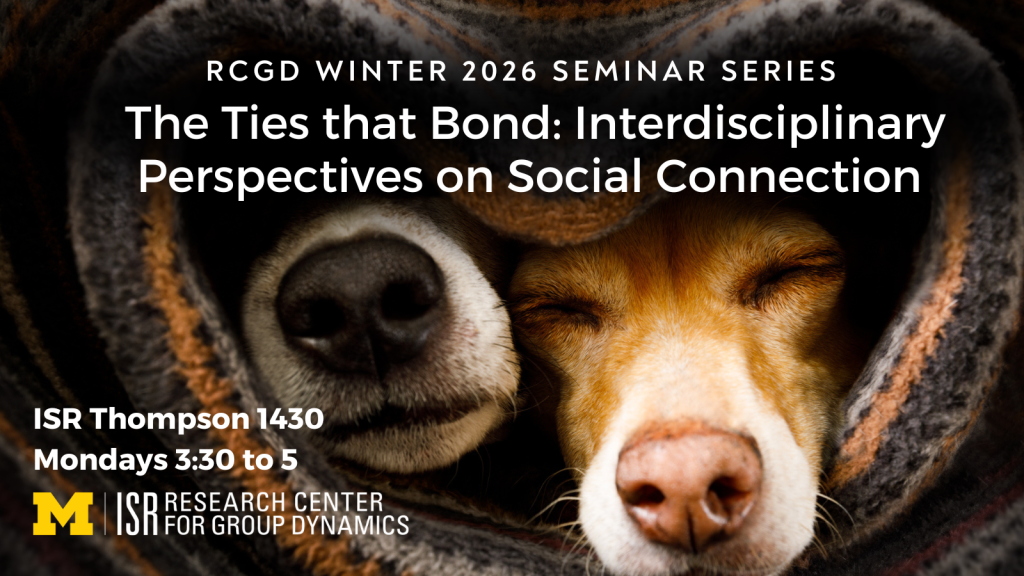
The Winter 2026 RCGD Seminar Series
Social connection is central to adaptation and well-being across species, cultures, and the lifespan. This seminar series brings together senior and early-career scholars to explore fundamental questions about how we connect, protect, and care. Talks will highlight lifespan and comparative approaches to understanding social connection, physiological implications of social and race-related stressors, and diverse conceptualizations of what it means to belong—from romantic and parent–child relationships to group and societal dynamics to technology-mediated interactions. Join us on Mondays to learn about the biological, social, and developmental pathways that shape human connection.
These events are held Mondays from 3:30 to 5.
In person: ISR Thompson 1430, unless otherwise specified.
Organized by Robin Edelstein
As permissions allow, seminars are later posted to our YouTube playlist.

Series Kick-Off (Robin Edelstein)
University of Michigan, RCGD
Introduction to the Series
Jan. 12, 2026
Robin Edelstein introduces the Winter 2026 RCGD Seminar Series: The Ties that Bond: Interdisciplinary Perspectives on Social Connection.
This seminar series brings together senior and early-career scholars to explore fundamental questions about how we connect, protect, and care. Talks will highlight lifespan and comparative approaches to understanding social connection, physiological implications of social and race-related stressors, and diverse conceptualizations of what it means to belong—from romantic and parent–child relationships to group and societal dynamics to technology-mediated interactions.
Robin Edelstein, Professor of Psychology at the University of Michigan and an affiliate of the Research Center for Group Dynamics, has organized this series. She will introduce the series at this kick-off event that doubles as a faculty meeting.
The kickoff and meeting will be held in room 6050, 3:30-5.
The first seminar in the series that will convene in ISR Thompson Room 1430 will be Jan. 26. Join us on Mondays to learn about the biological, social, and developmental pathways that shape human connection.

Anastasia Makhanova
University of Arkansas
Women’s Affiliation with Close Others: Associations with Menstrual Cycle Hormone Variation and Hormonal Contraceptive Use
Jan. 26, 2026
Although affiliation and social support are generally beneficial for people’s health and well-being across situations, certain situations nevertheless increase people’s affiliative motives. The luteal phase of the menstrual cycle may be one such situation for women. In the luteal phase (i.e., the 14 days after ovulation), women’s progesterone levels increase, and their bodies begin physiological—and psychological—preparations for (possible) pregnancy. Pregnancy is a time of increased stress and threats, many of which can be alleviated by a close social support system. This talk will present findings from three studies that examine women’s psychological processes and/or hormonal changes across the menstrual cycle to test the hypothesis that women’s affiliation is higher in the luteal phase (compared to other phases) and is positively associated with within-woman fluctuations in progesterone. To provide more nuance, each study examined women’s affiliation toward different targets (e.g., potential new friends, classmates, close friends, family, and romantic partners). This talk will also discuss how the use of different types of hormonal contraceptives can affect women’s affiliation and, in the context of romantic relationships, dyadic sexual desire.
Dr. Anastasia Makhanova is an Associate Professor at the University of Arkansas. Broadly, her research focuses on examining motivational and biological processes that affect social perception. One of the core research areas of her lab is examining how women’s psychological processes are affected by fluctuations in reproductive hormones across the menstrual cycle as well as the use of different hormonal contraceptives. Much of this work focuses on women’s affiliative motives. Dr. Makhanova was also the principal investigator of a longitudinal transition to parenthood study for which data collection was recently completed. The PEA in a POD study (Physiological and Emotional Adjustment in a Parenthood Outcomes Dataset) followed couples who were first-time parents from approximately 30 weeks of pregnancy to 1-year post-partum through seven varied assessments. In addition to her work on close relationships, Dr. Makhanova studies social perception in the domain of intergroup bias. In particular, she examines how people’s motivation to avoid pathogens and protect their health—as well as acute immune activity if they do encounter a pathogen—affects perceptions of people from different groups. This work has been funded by two grants from the National Science Foundation and an R01 grant from the National Institute on Minority Health and Health Disparities.

Richard Slatcher
University of Georgia
More than Two: The Complexities, Benefits, and Pitfalls of Social Connection in Groups
Feb. 2, 2026
Social psychologists have long studied the dynamics of dyadic relationships (e.g., intimate relationships), yet much less is known about how social connection unfolds in group interactions. In this talk, I present new research exploring the complexities, benefits, and pitfalls of group social interactions across different contexts. Drawing from two recent projects, I examine how the number of conversation partners influences intimacy and enjoyment in video chat and in-person settings, as well as how active participation in live events fosters social connection. Findings reveal that while larger groups can enhance enjoyment, they also introduce challenges—especially in virtual interactions, where self-disclosure and responsiveness are hindered. These results have broad implications for understanding how people navigate social connection in an increasingly digital world. By moving beyond the dyad, this research sheds new light on the social dynamics that shape our everyday interactions.
Richard B. Slatcher is the Gail M. Williamson Distinguished Professor of Psychology at the University of Georgia. He received his bachelor's degree from the University of Richmond, his Ph.D. in Social and Personality Psychology from the University of Texas at Austin. Prior to coming to UGA, he spent 10 years on the faculty at Wayne State University in Detroit.
Understanding the effects of people’s close relationships on their health and well-being from a social psychological perspective is the central focus of his research and teaching. In recent years, his work has focused on how smartphones, social media, and emerging technologies impact people and their relationships.
He has published over 100 peer-reviewed journal articles and book chapters and has received over $10 million in grant funding for his work. His research has been frequently featured in the popular press, including National Public Radio (NPR), The New York Times, The Washington Post, USA Today, and The Wall Street Journal. He is a fellow of the Association for Psychological Science, the Society of Experimental Social Psychology (SESP), and the Society for Personality and Social Psychology (SPSP), and received both the Caryl Rusbult Close Relationships Early Career Award from SPSP and the award for Outstanding Contributions to Health Psychology by an Early Career Professional from the Society for Health Psychology.

Kareena del Rosario
University of Michigan
From first encounters to romantic relationships: How negative emotions influence behavior and physiology across social contexts
Feb. 9, 2026
Kareena del Rosario is a postdoctoral research fellow at the University of Michigan. She studies the unseen influences of emotions and morality in interpersonal interactions, asking questions such as: How do negative emotions “leak out” during conversation? Can we catch others’ emotions (e.g., stress, moral outrage) without realizing it? Her work largely draws on psychophysiology, using autonomic measures to better understand how we feel and respond during social interactions. At U-M, she is expanding her work to close relationships, exploring how interpersonal processes like empathy and responsiveness shape well-being and relationship quality. Dr. del Rosario received her PhD in Social Psychology from NYU in 2025.

Kathleen Casto
Kent State University
The Hormone-Brain Dynamics of Social Positioning
Feb. 16, 2026
Humans possess a latent yet fundamental desire for two paradoxical needs: social closeness and social comparison. Efforts to achieve or avoid these needs are influenced by the endocrine system, a key mediator connecting the social environment and brain systems underlying motivation. In this talk, I will introduce a two-dimensional model of social positioning in which a horizontal, social closeness axis represents the drive to move towards or away from others and a vertical, social comparison axis represents the drive for relative status above or below others. I will then discuss research from my lab that shows how hormones mediate behavior along these axes. Bioavailable levels of steroid hormones like testosterone, cortisol, and progesterone, and their transient response to social encounters, may play a role in driving behavior into one of the four distinct quadrants of this social positioning model. Further, I will share some of my new research that explores how these hormones influence social positioning behavior via their implicit influence over attention and reward salience networks in the brain. These hormone-brain dynamics illuminate new pathways for understanding why and how we come together or fall apart; and achieve or avoid social status. Beyond the basic science, the hormone-brain dynamics of social positioning have translational relevance for mental and physical health outcomes linked to “hormonal sensitivity.”
Kathleen Casto, Ph.D., is an Assistant Professor in the Psychological Sciences Department at Kent State University. Dr. Casto is an interdisciplinary biopsychologist and neuroscientist with expertise in hormone-brain-behavior relationships, hormonal factors related to women’s health, and biosocial models of status, competition, and social stress. She received a BA in Psychology and Chemistry from the University of North Carolina Wilmington, MS in Psychological Science from James Madison University, and PhD in Psychology from Emory University. She completed a postdoctoral fellowship at the University of Oregon that was a jointly supported by the US Army and the National Research Council. A student-athlete in college, she maintains an identity as a “professor-athlete,” as both a source of wellness and as inspiration for her research interests in the mind-body connection.
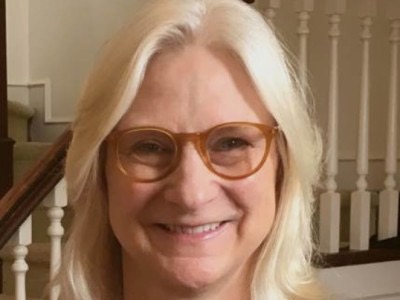
Chris Dunkel Schetter
UCLA, RCGD
Prenatal and Preconception Stress & Anxiety: Consequences for Women and Offspring
Feb. 23, 2026
Preterm birth and postpartum depression are highly prevalent in the U.S. and globally, posing major risks for the health and well-being of women and their families. In this talk, Prof. Dunkel Schetter will synthesize findings from her studies on anxiety during pregnancy and its consequences for maternal and child outcomes. This program of research reveals that prenatal anxiety, defined as anxiety about a current pregnancy, independently and reliably predicts length of gestation, with evidence for HPA mechanisms as a one pathway. In the second part of her talk, Prof. Dunkel Schetter will highlight results from the Community Child Health Network (CCHN), a multisite longitudinal study of 2,500 African American, Hispanic, and non-Hispanic White mothers and 1,500 of their partners living in five low and middle-income communities across the U.S. Women were enrolled shortly after a birth and followed for two years, and if applicable, during subsequent pregnancies with in-home assessments of a subset of mothers and children at ages 3 to 5. To conclude, Prof. Dunkel Schetter will share some of her lab’s findings on how preconception maternal stress, depression, and post-traumatic stress symptoms predict birth outcomes and early child development, underscoring the importance of women’s health and well-being even before pregnancy begins.
Chris Dunkel Schetter is a Distinguished Research Professor of Psychology at UCLA. Her broad research expertise is in stress, coping, and social support in many health contexts. Her primary research program focuses on biopsychosocial processes in maternal and child health. In this work, she and collaborators examine how prenatal maternal stress and affect (e.g., depression, anxiety) predict preterm birth and low birthweight, postpartum depression, and infant and child outcomes. This work involves large-scale, prospective longitudinal studies of thousands of pregnant women utilizing in-person interviews and blood and saliva samples for biological measures. Prof. Dunkel Schetter served as one of the lead investigators on the NICHD-funded Community Child Health Network (CCHN) which was a community-based collaboration across five U.S. sites examining socioeconomic and racial/ethnic disparities within low- and middle-income families. Additional details about her work can be found on the Stress Processes in Pregnancy Lab website (https://cds.psych.ucla.edu/research/). Prof. Dunkel Schetter received her Ph.D. from Northwestern University in social psychology and completed postdoctoral training at UC Berkeley with Professor Richard Lazarus. She is the Director of the UCLA T32 training program for pre and postdoctoral fellows on Biobehavioral Issues in Mental and Physical Health supported by NIMH and in its 45th year. She is also a founder of the UCLA Health Psychology Ph.D. program and has taught graduate and undergraduate courses on stress and resilience.

Kristina Smiley
University of Michigan
How Hormones and Sensory Cues Shape the Parental Brain
March 9, 2026
Parental care is essential for offspring survival and requires coordinated interactions between neural and hormonal systems to support the onset and maintenance of caregiving behavior. My research investigates how prolactin, a hormone best known for its role in lactation, promotes parental behavior across species. I will present evidence showing that prolactin is necessary for the onset of parenting in both male and female songbirds and that prolactin receptors are widely expressed throughout brain regions involved in parental care. In mammals, I further demonstrate that a specific population of prolactin-responsive neurons in the medial preoptic area (MPOA) of the hypothalamus is critical for paternal behavior in male mice, revealing a conserved role for prolactin in parenting across vertebrates. In addition to hormonal changes, sensory cues from dependent offspring are also crucial for eliciting parental behavior, yet how these cues are encoded in the brain—and how hormones may shape their perception—remains poorly understood. My current work examines neural responses to offspring auditory cues in biparental songbirds and shows that parents exhibit enhanced and increasingly selective responses to begging calls, particularly in females. Finally, I will outline future directions of my research program aimed at understanding how parental hormones shape sensory processing, how offspring cues influence hormonal state, and how these bidirectional interactions are implemented within parenting-related neural circuits.
Dr. Smiley is a new Assistant Professor in the Department of Psychology at the University of Michigan and an affiliate member of the Michigan Neuroscience Institute as of January 2025. Her research lies at the intersection of behavioral neuroendocrinology and sensory neuroscience, with a central focus on the neural mechanisms underlying parental behavior.
During her PhD at Cornell University, Dr. Smiley investigated the role of prolactin—a hormone best known for its function in mammalian lactation—in the onset of parenting behavior in male and female songbirds. Her work revealed that prolactin serves a more evolutionarily conserved role in promoting offspring-directed behavior across sexes, extending beyond its traditional association with maternal physiology.
For her postdoctoral training, Dr. Smiley moved to the University of Otago in New Zealand, where she examined how prolactin regulates paternal care in mammals. There, she identified the medial preoptic area of the hypothalamus as a critical brain region through which prolactin promotes male parental behavior in rodents, providing the first causal evidence for prolactin’s role in mammalian fatherhood. She then returned to the United States for a second postdoctoral position at UMass Amherst, where she shifted focus to how parents use sensory cues—such as offspring vocalizations—to guide caregiving behavior. Using a songbird model, she discovered that auditory processing regions of the brain differ markedly between parents and non-parents in their responses to offspring vocal signals.
In her new research program at the University of Michigan, Dr. Smiley integrates these lines of work to investigate how the hormonal changes accompanying parenthood reshape auditory neural processing to support adaptive caregiving. Her lab aims to uncover how sensory cortical plasticity influences broader parenting circuits and, ultimately, parental behavior. Because individuals with postpartum depression show both altered neuroendocrine profiles and reduced neural responses to infant cues, Dr. Smiley’s work also has important implications for understanding the healthy parental brain and identifying potential targets for treating mental health disorders unique to parents.

Rosie Shrout
University of British Columbia
Bridging Relationship Science and Psychoneuroimmunology:
How Partners Shape Each Other’s Health and Longevity
March 16, 2026
Satisfying relationships provide health benefits, yet all couples experience stress that can increase morbidity and mortality risks. A relationship’s health impact is similar to that of well-established health behaviors like smoking cigarettes, exercising, and drinking alcohol. My research identifies the underlying psychological, behavioral, and biological mechanisms that foster each partner’s health and longevity or fuel their disease risk and early mortality. In this talk, I will first discuss my integrated social-health approach to studying relationships and health using dyadic stress theories and biobehavioral methods. I will then illustrate how partners navigate common yet challenging stressors—conflict, chronic illness, and cancer—in ways that influence each other’s health, including the gut microbiome, and endocrine, cardiovascular, and immune function. I will also present key coping strategies couples use to facilitate necessary yet difficult conversations particularly when managing chronic illness. Overall, I will show that relationships are a public health priority and a target for prevention and intervention efforts to foster health and longevity.

Samuele Zilioli
Wayne State University
Social Threat and Social Safety: How Relationships Shape Stress Biology and Health Across the Lifespan
March 23, 2026
Social relationships shape both psychological well-being and the biological processes that regulate health and disease. In this talk, I will integrate findings from a series of studies conducted with youth with asthma and middle-aged and older African American adults to illustrate how social environments become biologically embedded across the lifespan. I will begin with forms of social threat (i.e., loneliness, social isolation, discrimination, vigilance, and family conflict), which reliably predict alterations in diurnal cortisol, chronic HPA axis activity, systemic inflammation, and cardiovascular physiology. I will then turn to social safety (i.e., warmth, involvement, responsiveness, and broader social support), which buffers stress physiology, promotes healthier immune function, and contributes to better physical health trajectories. Together, this work demonstrates that the body continuously monitors the social world for cues of safety and threat, and that these signals become embedded in neuroendocrine and immune systems over time. By bridging relationship science, psychosocial stress research, and biopsychosocial models of health inequities, this research highlights the importance of considering multilevel social contexts in understanding health outcomes.
Dr. Samuele Zilioli is an Associate Professor in the Departments of Psychology and Family Medicine & Public Health Sciences at Wayne State University in Detroit. Before moving to the United States, he completed his undergraduate and graduate training in Italy and Canada. He completed a B.A. and M.A. in Psychology from the Catholic University of the Sacred Heart and a Ph.D. in Cognitive and Neural Sciences from Simon Fraser University, where he received the Governor General's Gold Medal for highest academic standing. He later completed a postdoctoral fellowship in health psychology at Wayne State University. Dr. Zilioli’s research examines how psychosocial stressors, particularly those related to socioeconomic status and race/ethnicity, interact with psychosocial resources to shape glucocorticoid-related processes, and how these biopsychological mechanisms link stress to immune, cardiovascular, metabolic, and other health outcomes across the lifespan. His work has been funded by the National Institute of Justice and is currently supported by the National Institutes of Health. His scholarly contributions have been recognized with several honors, including the W.C. Young Recent Graduate Award from the Society for Behavioral Neuroendocrinology, the Excellence in Health Psychology Research by an Early Career Professional Award from the American Psychological Association’s Division 38 (Health Psychology), and the Neal E. Miller New Investigator Award from the Academy of Behavioral Medicine Research.

*Event cancelled* Lori Hoggard
North Carolina State University
Contextualizing Cardiovascular Functioning: Stress, Social Roles, and Black Women’s Hearts
March 30, 2026
This event has been cancelled.
Cardiovascular disease remains a leading source of health inequity among women in the United States, with Black women experiencing disproportionate risk. Emerging scholarship points to the central role of social stressors—particularly racism and gendered racism—in shaping cardiovascular health among Black women. In this talk, Dr. Hoggard will focus on Black women’s experiences with racism and gendered racism, the linkages between these experiences and cardiovascular functioning, and Black women’s culturally patterned responses within interlocking systems of oppression. Attention will be given to the role of contextual factors, social roles, and expectations of strength in shaping cardiovascular processes.
Dr. Hoggard received her Ph.D. in Personality and Social Contexts Psychology from the University of Michigan. She subsequently completed a postdoctoral fellowship in the Department of Psychology and Neuroscience and at the Center for Health Equity Research at the University of North Carolina at Chapel Hill. She is currently an Assistant Professor in the Department of Psychology at North Carolina State University, having previously served on the faculty at Rutgers University–New Brunswick.
Dr. Hoggard’s research examines racism as a chronic psychosocial stressor that heightens African Americans’ risk for physical (e.g., cardiovascular disease risk; dysregulation of the autonomic nervous system) and mental (e.g., depression and anxiety) health concerns. Her work focuses on (1) determining whether racism constitutes a distinct stressor for African Americans with physiological and psychological consequences that exceed those of non–race-related stressors, (2) elucidating the mechanisms linking racism to deleterious health outcomes, and (3) identifying person-level characteristics (e.g., racial identity) that may function as protective or vulnerability factors in the context of racism. Her current projects primarily examine racial inequities within the carceral state and gendered racism experienced by Black women.

Claudia Haase
Northwestern University
See Me, Feel Me, Heal Me? Emotions in Couples Across the Life Span.
April 6, 2026
Intimate relationships can be home to both our highest highs and our lowest lows. In this talk, Claudia Haase will present findings from our research program on emotion in couples across the life span. Grounded in affective, relationship, and life-span developmental frameworks and using multi-modal measures of emotional functioning (e.g., autonomic physiology, behaviors, language, and subjective emotional experience assessments), Haase et al study couples as they talk about areas of disagreement, topics of mutual enjoyment, and events of the day. First, she will present findings on how emotions in couples predict well-being, health, and longevity across time. Second, she will discuss how couples’ emotions may change with age, highlighting empirical findings and an emerging conceptual framework. Finally, she will present some findings that suggest that emotions in couples become particularly important and consequential when economic resources are limited.
Claudia Haase, Ph.D. is an Associate Professor and Associate Dean of Well-Being at Northwestern University’s School of Education and Social Policy. She obtained her PhD in psychology from Friedrich Schiller University Jena, Germany. Claudia studies pathways towards happy and healthy development across the life span with a focus on emotions in individuals and couples. Her research combines insights and paradigms from affective, life-span developmental, and relationship science. Her work uses multiple methods (e.g., autonomic physiology, behavioral observations, subjective emotional experience assessments, linguistic markers, neuroimaging), age-diverse samples (e.g., from adolescence to late life), diverse study designs (e.g., experimental, longitudinal), and single-subjects and dyadic approaches (e.g., in couples, parent-child, and friendship dyads). Her research has been funded by the National Institute of Mental Health, the National Institute on Aging, the Retirement Research Foundation, and a NARSAD Young Investigator Award from the Brain and Behavior Research Foundation.

Tomiko Yoneda
UC Davis
The Company We Keep: The Importance of Social Connection for Mind, Body, and Health Across Contexts and Timescales
April 13, 2026
In this talk, I will present a series of studies emphasizing the importance of social connections for health across individuals, couples, populations, and timescales. Using a coordinated analysis framework spanning 10 longitudinal studies representing 18 countries, I first examine the independent and joint effects of loneliness and social isolation on cognitive transitions and mortality risk. Synthesized findings indicate that loneliness, rather than isolation, is the more potent predictor of cognitive impairment and mortality. I then turn to dyadic daily and momentary processes across three intensive longitudinal datasets from Canada and Germany. Results show that partners’ shared and individually experienced emotions are linked with cortisol secretion, illustrating how experiences within close relationships can “get under the skin” to support healthier aging and development. Together, these findings highlight the multilevel pathways through which high-quality social connections shape mind, body, and health, reminding us that we are, in many ways, better together.
Dr. Yoneda is an Assistant Professor in the Department of Psychology, where she directs the Healthspan Lab. Her research investigates the role of personality and interpersonal processes in optimal aging, with a focus on the mechanisms that link social and psychological factors to health and cognition. Ultimately, her goal is to uncover ways by which older adults may shape their own independence and well-being at a juncture when intervention is still possible.
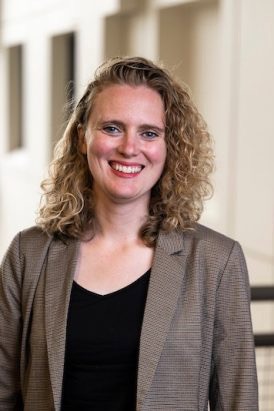
Annelise Madison
University of Michigan
Beyond boundaries: Exploring the dynamic interplay of relationships, immune function, and psychological states
April 20, 2026
The immune system—sometimes called the “seventh sense”—acts as an interface between our bodies and social environments, responding not just to pathogens but also to interpersonal stress. Modern social stressors, which are often chronic and ambiguous, activate our ancient stress response (including the immune response) even when there’s no physical danger, negatively affecting both mind and body over time. The Social Signal Transduction Theory of Depression suggests that chronic or repetitive social stress—especially conflict and exclusion—and heightened inflammatory responses to stress may drive depression.
In this talk, Dr. Annelise Madison will present prior work that tests this theory within a laboratory setting, as well as an ongoing study that tests it “in the wild” – during sorority rush. She will also present preliminary data from an ongoing study testing the effects of various kinds of social stress (e.g., a speech vs. political debate) on physiological and self-reported stress responses. She will then show data suggesting that social stress may not only amplify immune responses, but also psychological sensitivity to inflammation, perhaps portending risk for chronic pain conditions as well as depression. Lastly, she will show data from randomized trials testing whether inflammatory and anti-inflammatory manipulations can affect social feelings and behavior. Taken together, these findings shed new light on the bidirectional connections among social experiences, immune system activity, and mental health.
Annelise Madison is an assistant professor of clinical science in the UMich Psychology Department. Her work in psychoneuroimmunology (PNI) focuses on how stress, and especially social stress, dysregulates the immune system and sets the stage for a variety of potentially chronic conditions, including depression. She is also interested in studying PNI-informed interventions as a way to improve treatment outcomes in immune-related diseases and disorders.