
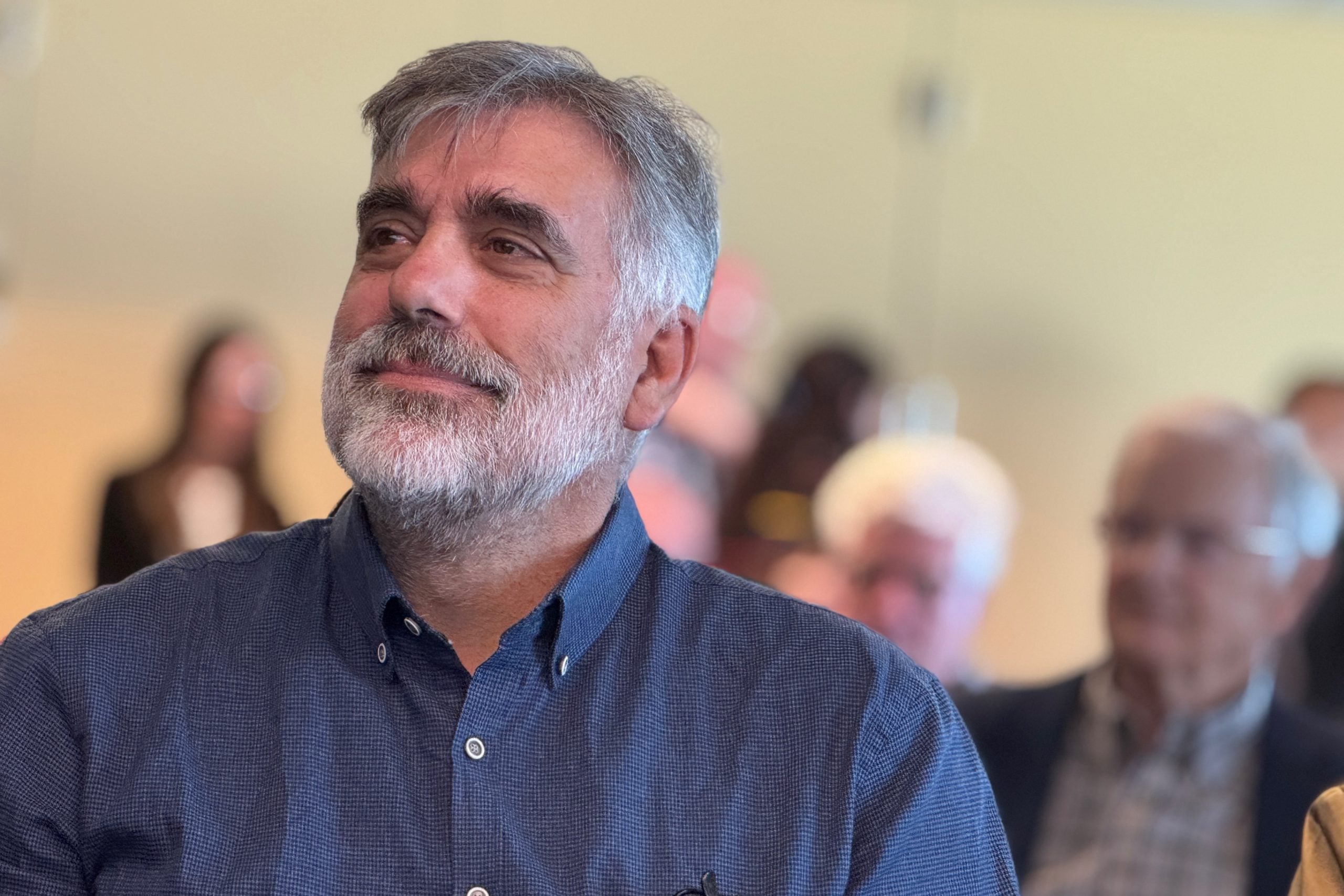
RCGD Celebrates Rich Gonzalez’s Legacy of Leadership
September 16, 2026
This week, the Research Center for Group Dynamics (RCGD) gathered for its inaugural monthly community lunch with a special event to recognize Rich Gonzalez’s remarkable 11-year tenure leading the center.
Incoming director Shinobu Kitayama opened the gathering honoring RCGD’s storied history– founded in the wake of World War II by Kurt Lewin, the father of modern social psychology — and outlined his vision for the center’s future: expanding from the study of small-group dynamics toward a broader “socio-cultural dynamics,” and an initiative to blend traditional psychological research with emerging computational methods like machine learning and agent-based modeling. Gonzalez later underlined how today’s AI challenges make RCGD’s original mission– to ensure developing technologies are informed by understanding of human social and psychological life — particularly timely.
Colleagues, collaborators, and staff stepped forward to share comments on Gonzalez’s years of steady leadership.
“Impactful… Thoughtful… Reliable… Steady… Principled.”
Kate Cagney, Director of ISR, opened the tributes by asking colleagues to describe Rich in a single word. The answers poured in, and Kate added her own: productive, and connected — she described Gonzalez as “the Kevin Bacon of ISR.”
“There are so many people at the university who have benefited from the kind of intellectual engagement that his work suggests and that his interpersonal style underscores.”
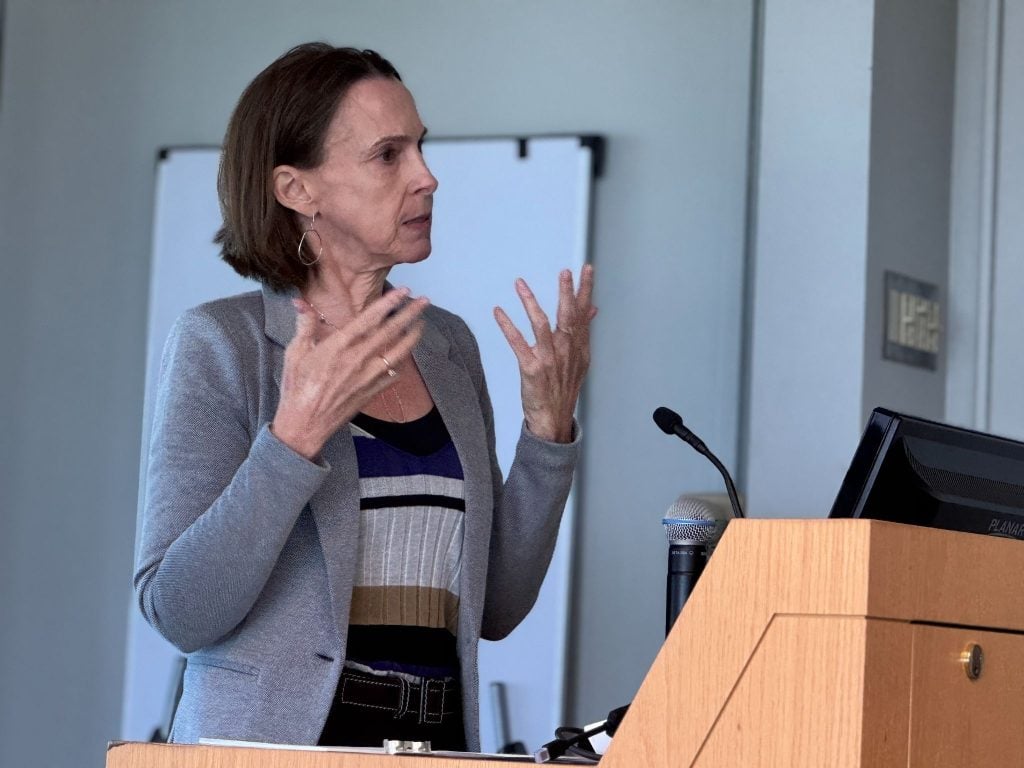
“There’s never a ‘no’ — there’s a ‘how do we figure this out.’”
Priti Shah, chair of Psychology, spoke about Rich’s tireless dedication — emails answered at all hours — and his years of quiet advocacy for colleagues across LSA and ISR alike.
“The kind of person that Rich is, is that if you go to him with a question or a problem, he will be there to support you.”
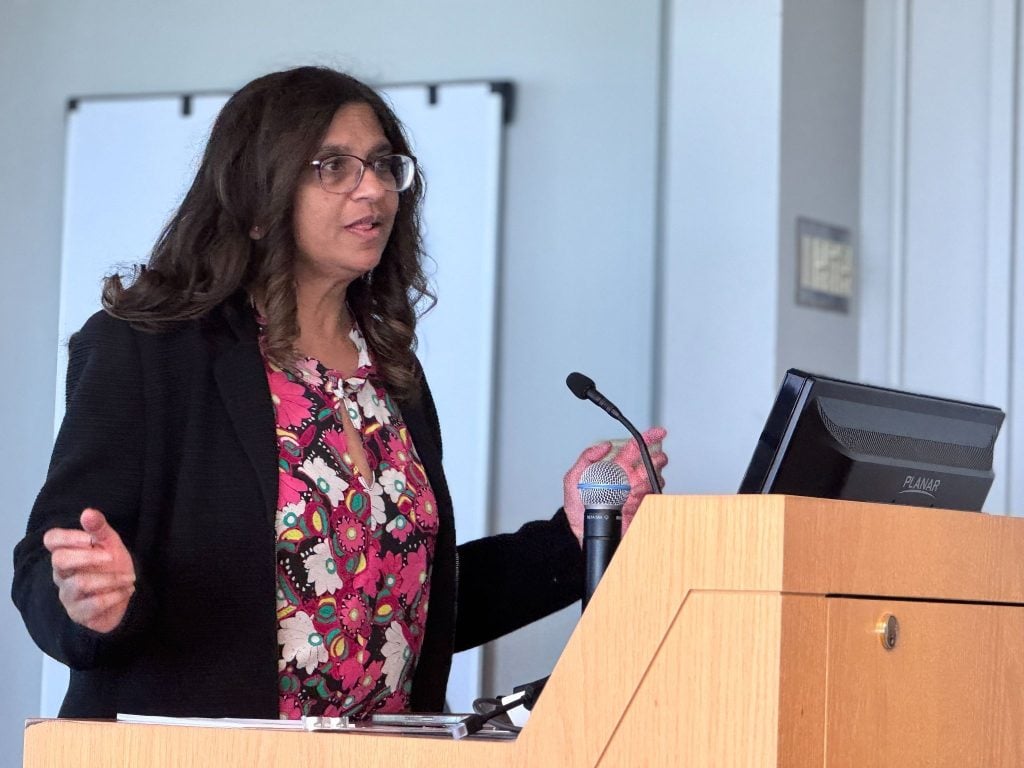
“Your steadiness, your calmness, your willingness to talk.”
Lisa Wexler, a longtime RCGD colleague, offered a simple but heartfelt thank-you for Rich’s steady presence over the years.
“Generally speaking, we talk when I reach out to Rich about something that I want to talk about, that’s usually because there’s a problem… He’s been there, willing to listen, willing to think it through.”
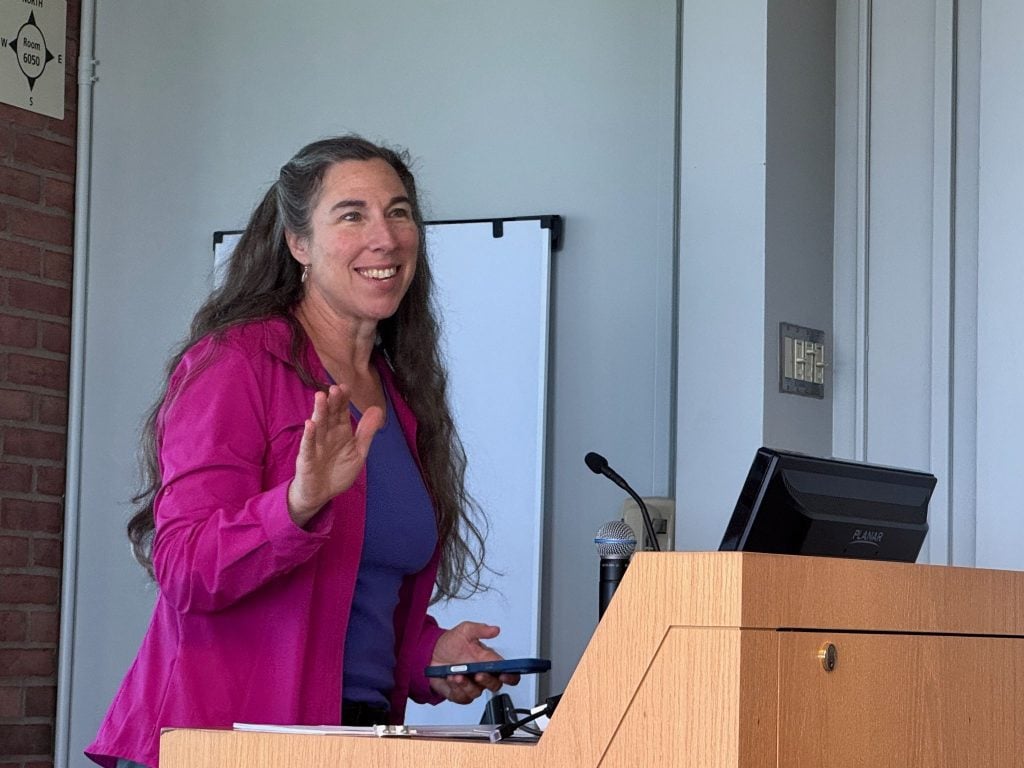
“This grant would not have happened without Rich.”
Briana Mezuk described how Rich’s support helped save a major federal grant for the National Survey of American Life after it was unexpectedly terminated — and reflected on his role as co-director of the Michigan Innovative Wellbeing Inequality Training Program.
“Rich has been an incredibly generous collaborator, thought partner, and frankly visionary leader of RCGD.”
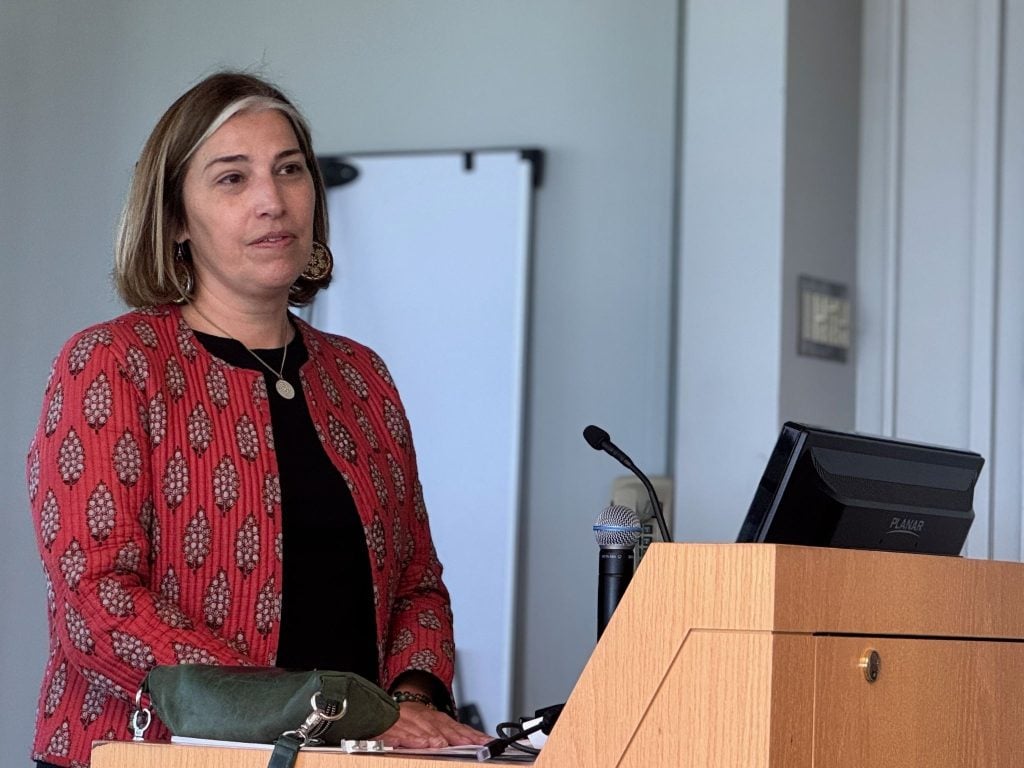
“I truly believe he knows a little bit — or a lot — about everything.”
Amie Gordon shared a memorable story about discovering, mid-conversation, that Rich understood the mathematics of weather forecasting well enough to help her create a framework for relationship prediction.
“I don’t know where it all fits in, but somehow you always have the answer… I have no doubt that RCGD and the psych department are much better places having had you at the helm.”
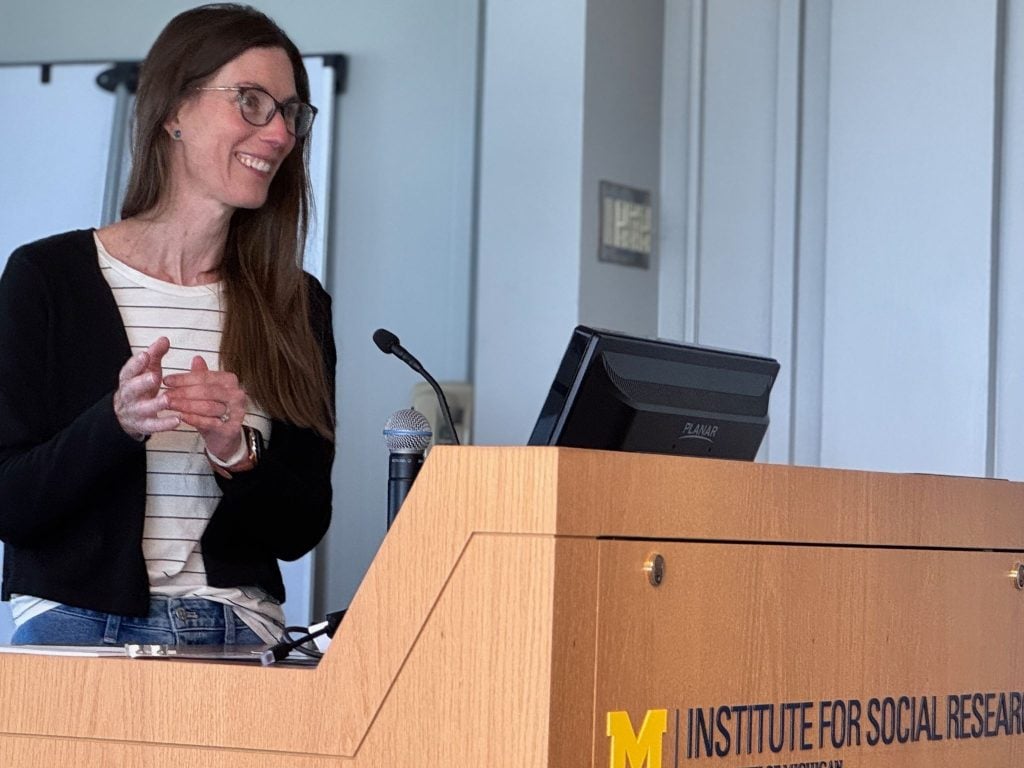
“Every conversation with Rich is like walking into a dragon cave with treasure in every corner.”
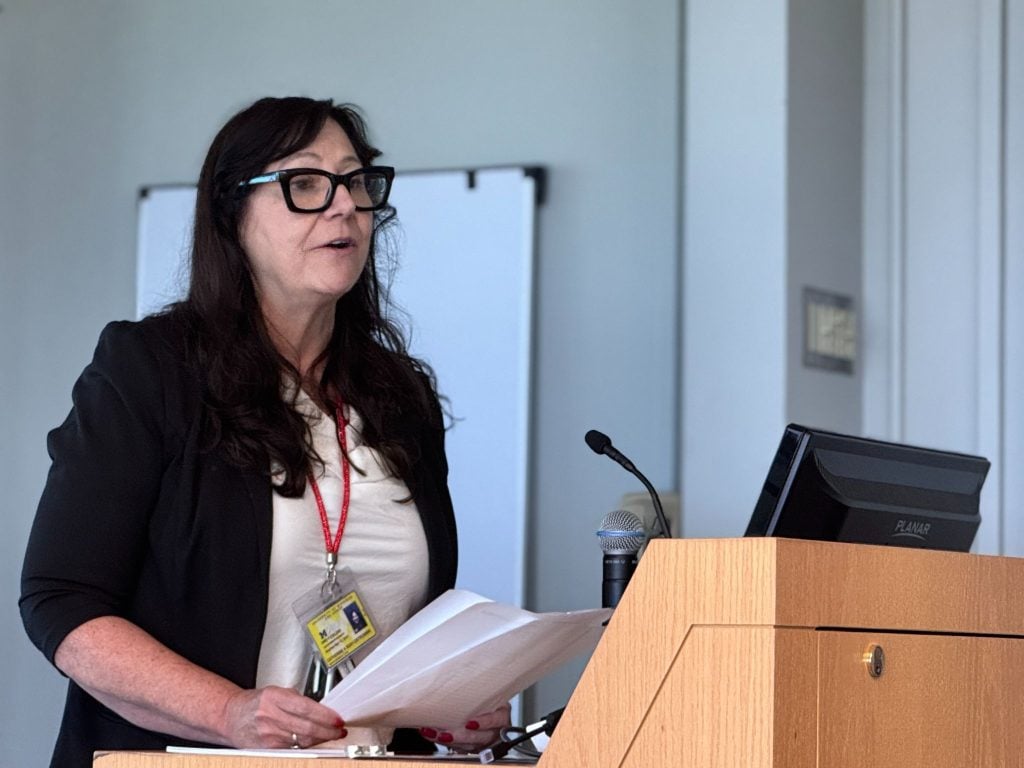
Cathy Seay-Ostrowski, director of RCGD’s administrative core, presented a tribute of comments shared from Tevah Platt, Bob Kaikati, and Matt Redding– staff of the administrative core– and shared her own reflections on Rich’s leadership philosophy.
“Rich showed me, in so many different ways, that flourishing research and thoughtful research curation is money. The most important thing is supporting research and the people who do it.”
“You’re just a really good guy.”
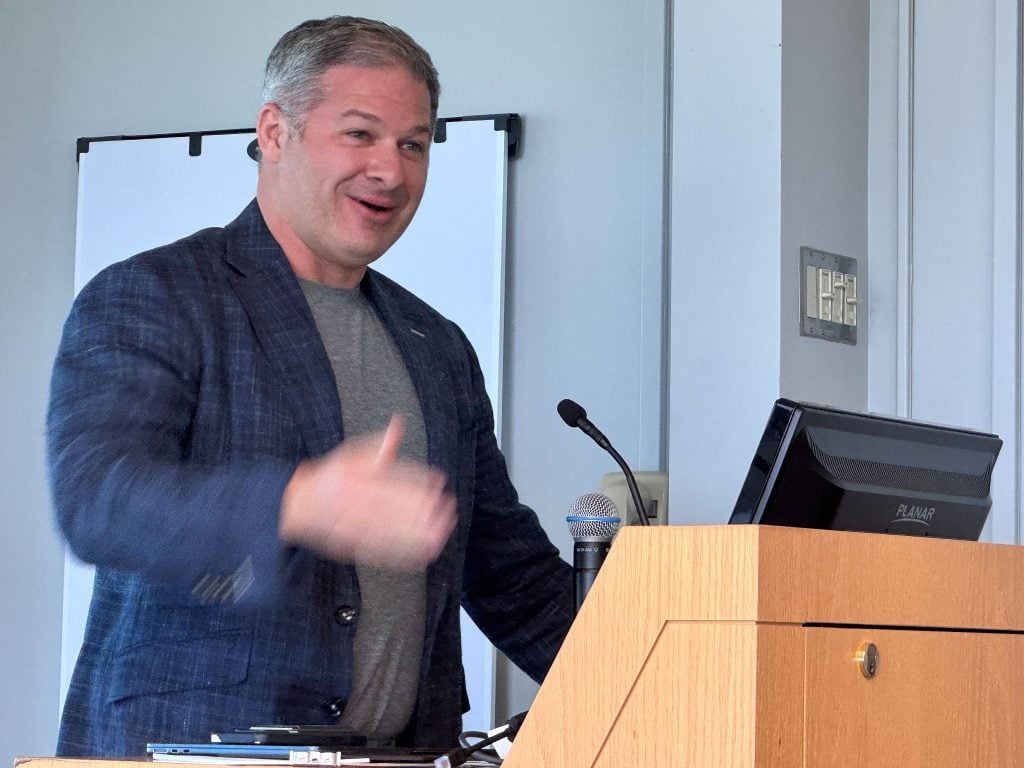
Ethan Kross praised Rich’s clarity, reliability, and humility.
“You’ve led RCGD for over a decade, and when you’re at the helm, no one is concerned — because we know you are steering us not just in the right direction, but positively, on course.”
“You’re just a really good guy.”
Donna Walter of the BioSocial Methods lab spoke on behalf of Rich’s research team.
“Rich empowers us to use our brains… He has integrity. He always steers the ship in the right way. He’s gathered a group of people together that are truly happy to work together and enjoy each other, which is so rare in today’s world.”
Additional comments
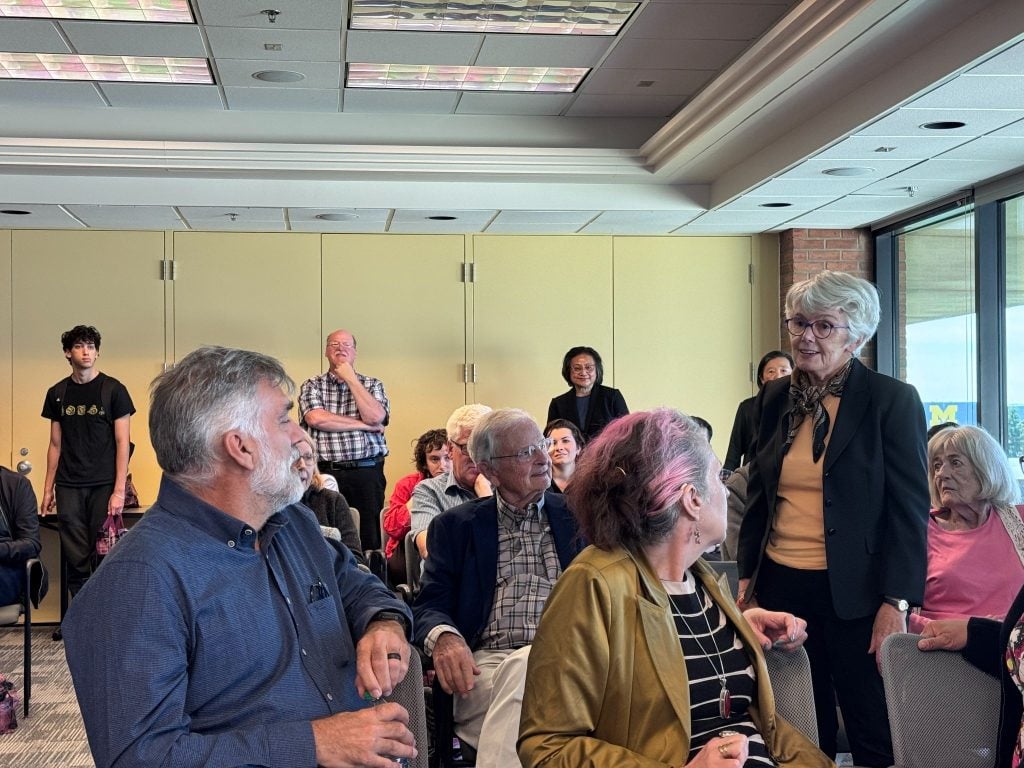
Kristine Ajrouch and Eric Dubow, unable to attend the event, sent written reflections, read aloud by Kitayama. “Good leaders don’t simply protect what already exists,” Ajrouch wrote. “They have the courage to imagine what could exist.”
In impromptu comments, economist Yan Chen praised Rich’s gift for making complex ideas accessible, and his kindness in looking out for the interests of junior scholars. Jacqui Smith celebrated the fun part of grant-writing with Rich– sitting around a conference table and brainstorming.
Drawn to Michigan
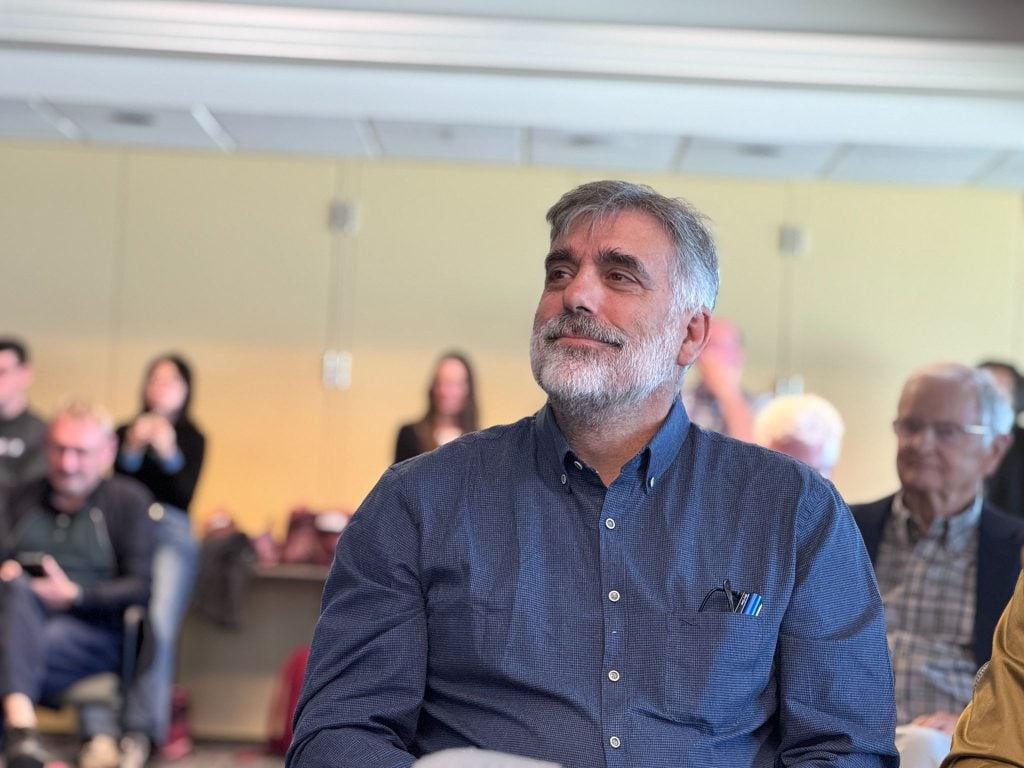
In closing, Rich offered his own unscripted reflections — tracing his path from undergraduate mentorship under Harold Kellye, to graduate school with Phoebe Ellsworth, to his arrival at Michigan in 1997. He recalled the wisdom of Pat Gurin, leader of the Program on Intergroup Relations, who taught him to think like an administrator. He closed by encouraging the room to keep writing, keep collaborating, and keep imagining what RCGD could become next.
RCGD’s monthly community lunch continues on October 29, featuring talks from Lisa Wexler and Josh Ackerman. The center will host a symposium October 30, “Toward a Computational Understanding of Socio-Cultural Dynamics,” launching a new RCGD initiative to explore how computational methods can advance our understanding of culture, cognition, and social behavior. The center’s fall seminar series, “Global Perspectives on Culture and Health,” meets Mondays at 3:30, and is organized by Kristine Ajrouch and Sela Panapasa. The winter series will be organized by Kitayama around the theme of computational methods in social science.
This post was created by Tevah Platt, communications manager for the Research Center for Group Dynamics.