
The Group Dynamics Seminar series is considered one of the longest running seminar series in the social sciences. It has been running uninterruptedly since it was founded by Kurt Lewin in the 1920’s in Berlin. The seminar series runs every semester on a theme chosen by faculty organizer/s who are affiliated with the Research Center for Group Dynamics at the Institute for Social Research. A very important feature of this seminar today is its interdisciplinary nature. Recent themes have included political polarization, evolution and human behavior, and cultural psychology.
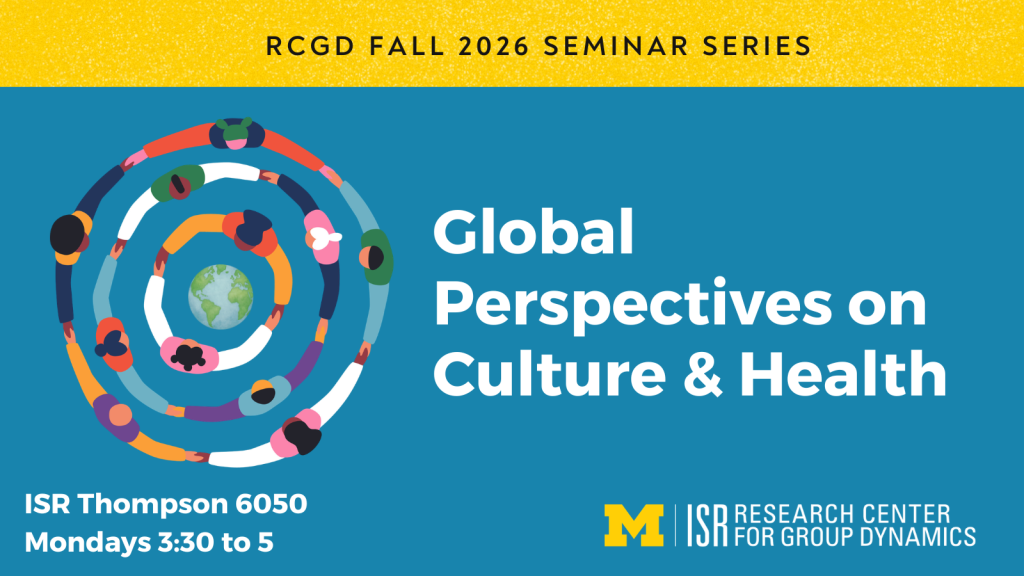
Global Perspectives on Culture and Health explores fundamental aspects of human life. Culture facilitates human interaction by providing meaning to lived experience. Accounting for culture in both theories and methods potentially advances the study of health by connecting the macro and micro levels of human experience. Yet, culture should be understood as dynamic and complex. It fundamentally shapes individuals and simultaneously is shaped by individuals. The importance of systematically attending to culture includes topics of values, language, immigration, and society.
Theories and methods that incorporate culture hold great potential for advancing the understanding of health outcomes and health trajectories in various global contexts.
The speakers for this series will focus on various aspects of culture and diverse groups living in the U.S. and across the globe to address the ways in which attending to culture helps clarify and overcome challenges to good health.
These events are held Mondays from 3:30 to 5.
In person: ISR Thompson 6050, unless otherwise specified.
Organized by Kristine Ajrouch and Sela Panapasa
Events are not recorded, but as permissions allow, interviews with speakers are later posted to our YouTube playlist.
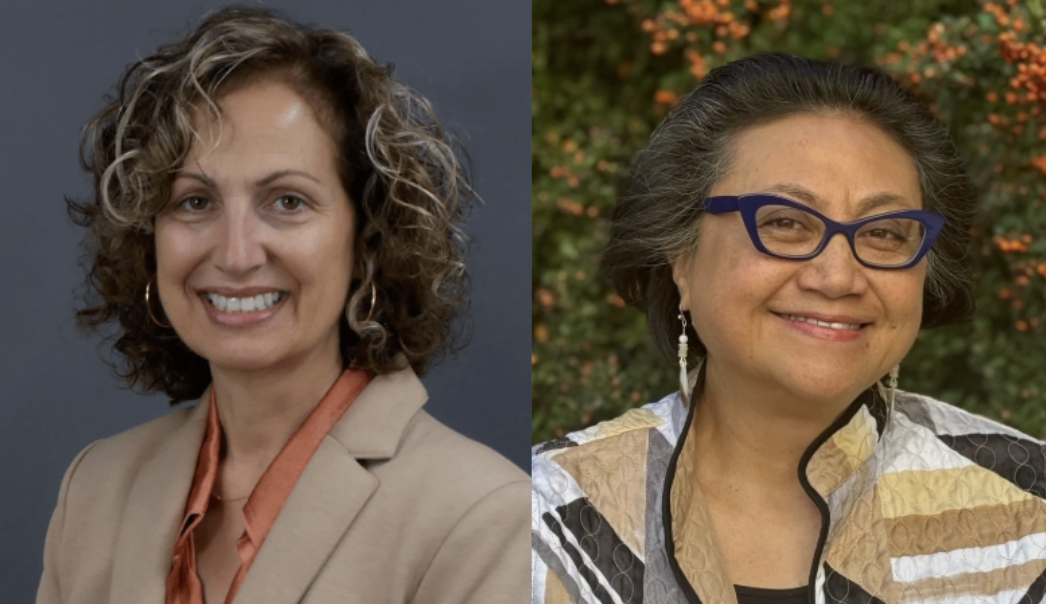
Event Kickoff (Kristine Ajrouch and Sela Panapasa)
University of Michigan
Series Kickoff
Aug. 31, 2026
Series organizers Kristine Ajrouch and Sela Panapasa provide a brief introduction the series at RCGD's kick-off reception. The series opens with its first speaker on Sept. 14.

Shinobu Kitayama
University of Michigan, RCGD
From Culture to Community Ecology: How Social Interdependence Shapes Mind, Brain, and Health
Social Ecology as a Missing Link
Sept. 14
Social interdependence—connectedness among people in a community—is central to health and well-being. Yet cultures, regions, and communities vary substantially in the affordances they provide for social interdependence. They may differ, for example, in everyday practices and routines that sustain enduring social ties. They may also differ in patterns of communication that activate values, beliefs, and goals that promote social connection. In this talk, I will trace a line of research from cross-cultural psychology to cultural neuroscience and, most recently, to the study of community-level social ecology. Cross-cultural work suggests, for example, that societies characterized by more interdependent ecologies may offer greater protection against loneliness. These cultural affordances also appear to be reflected in brain systems involved in self-regulation, including the prefrontal cortex, and perspective-taking, including the temporoparietal junction. In our most recent work, we have developed measures of affordances for social interdependence for more than 3,000 U.S. counties and examined health disparities across communities that vary along these dimensions. We distinguish practice-based affordances, reflected in patterns of everyday social organization, from language-based affordances, reflected in socially shared meanings of connection. Both appear to lessen some of the adverse consequences of collective threats such as the COVID-19 pandemic and are associated with substantially lower levels of binge drinking. I will conclude by arguing for the integration of this ecological approach with emerging computational methods that allow us to “scan” societies at scale. Such methods may ultimately enable us to map social ecologies across regions and nations and link them systematically to human psychology, brain structure and function, health, and flourishing.
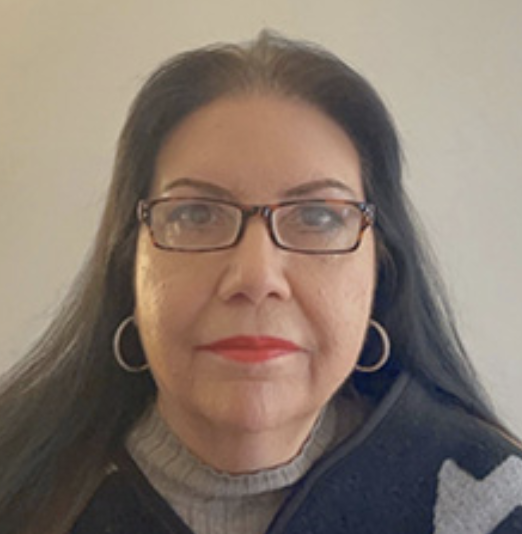
Margaret Moss
University of Minnesota
Mitákuye Oyasin, the Medicine Wheel and Seven Generations
Sept. 21, 2026
Abstract TBA
Dr. Margaret P. Moss is a trailblazing figure in nursing, health policy, and Indigenous health advocacy. An enrolled member of the Mandan, Hidatsa, and Arikara Nation with Dakhóta lineage, she holds the distinction of being the first and only American Indian to possess both Nursing and Juris Doctorates. Currently serving as a Professor and the inaugural Associate Dean for Nursing and Health Policy, Advocacy, Access, and Ethics at the University of Minnesota School of Nursing, Dr. Moss brings 34 years of nursing experience and 23 years in academia to her role.
Throughout her career, Dr. Moss has made significant contributions to healthcare policy and Indigenous health. Her work includes serving as a Robert Wood Johnson Foundation Health Policy Fellow, contributing to the development of the National Alzheimer's Project Act, and authoring the first nursing textbook on American Indian health. Her expertise has been recognized globally, with positions at institutions like Yale University and the University of British Columbia. Recent accolades include being named to the inaugural Forbes 50 over 50 Impact List in 2021, induction into the National Academy of Medicine in 2023, and selection as a Fellow in the newly established Academy of Diversity Leaders in Nursing by the National Black Nurses Association.
Dr. Moss is recognized as a leader in health policy, legal issues, Indigenous health and health disparities and is asked to advise, program plan and speak on educational issues in these spaces. Dr. Moss’ teaching philosophy is to:
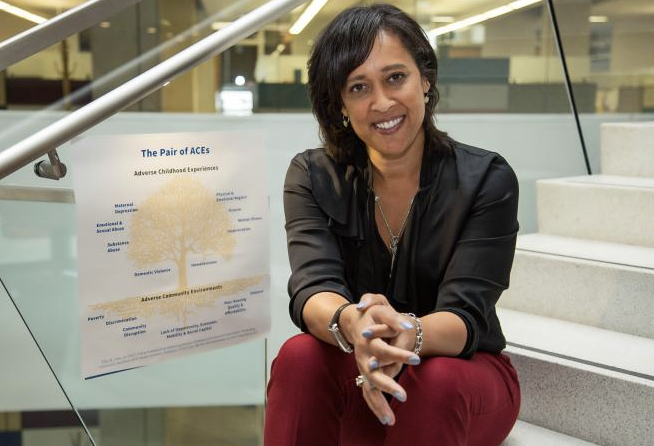
Wendy Ellis
George Washington University
Closing the Wealth Gap: Bridging Social Divides, Creating Actionable Research
Sept. 28, 2026
In this presentation Dr. Ellis will share how she bridged a widening social divide, built trust and used the science and process of systems thinking with community leaders, residents and policymakers to build a coalition for change. The Closing the Wealth Gap implementation framework is an example of how academia can be a bridge between community and lawmakers. The lessons learned from this powerful case study demonstrate that closing the wealth gap is not merely an economic challenge but a
matter of justice, resilience and collective wellbeing. Dr. Ellis’ team uses community-based systems dynamic modeling that positions community members as experts and designers of the solutions that have greatest potential to improve the lives and experiences of residents for generations to come.
For more than a decade, Dr. Wendy Ellis has worked closely with local organizations, residents and policymakers across the globe to identify place-based drivers of inequity and develop actionable pathways for systems change. In 2022, Dr. Ellis led the Closing the Wealth Gap initiative in Cincinnati, focused on two historically underserved and under-resourced neighborhoods. Riverside, predominately lower-income Appalachian White and Avondale a predominately Black neighborhood would appear to have very little in common. According to voter records, 48-percent of voters in Riverside are registered Republicans while 89-percent of voters in Avondale are registered as Democrats. At a time when the politics of race and equity are highly
fraught bridging cultural divides appears an impossible task.
Dr. Wendy Ellis is an Assistant Professor in Global Health and the Founding Director of the Center for Community Resilience at the Milken Institute School of Public Health at George Washington University. In 2024, she was appointed the Inaugural Director of the Institute for Racial, Ethnic and Socioeconomic Equity at GW. The Equity Institute leverages the resources of a premier research university and invests in transformative community partnerships with the goal of eradicating racial, ethnic, and socioeconomic inequity worldwide.
The Center for Community Resilience housed in the School of Public Health seeks to improve the health of communities by enabling cross-sectoral partners to align policy, program and practice to address adverse childhood experiences in the context of adverse community environments — or as Dr. Ellis has coined it "The Pair of ACEs". This innovative framing of ACEs, with an explicit focus on equity and prevention, has had a substantial influence on local initiatives, programs, public health initiatives and local, state and federal policy. Using the Pair of ACEs framing, Building Community Resilience networks have successfully led systems and policy change focused on addressing long-standing economic, social and health disparties by partnering with community, integrating service delivery and building political will for change.
The Building Community Resilience (BCR) collaborative and networks are implementing the BCR process based on Dr. Ellis’ research in designing a strategic approach for multiple systems to align resources, programs and initiatives with community based partners to address adverse childhood experiences and adverse community environments. The BCR approach provides a standardized process to reach a customized solution to promote resilience in communities by improving access to supports and buffers that help individuals 'bounce back' and communities thrive. The BCR process has been adopted by governmental agencies and coalitions in countries across the globe including Canada, Finland, Scotland, Ethiopia, Somalia and Kenya. Here in the United States the BCR collaborative consists of cross-sector coalitions in six regional metropolitan areas based out of Cincinnati, OH; Dallas, TX; Portland, OR; Washington, DC; St. Louis and Kansas City, MO. and Seattle, WA. Dr. Ellis co-authored an article detailing the BCR process, "A New Framework for Addressing Adverse Childhood and Community Experiences: The Building Community Resilience Model" which can be found in the September 2017 Journal of Academic Pediatrics.
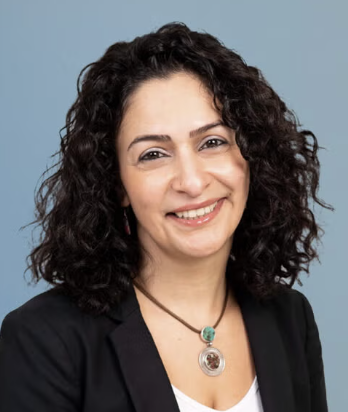
Sarah Abboud
University of Illinois Chicago
Advancing the field on gender-based violence prevention in the Arab American community in Chicagoland area
Oct. 5, 2026
In this presentation, Dr. Abboud will provide an overview of the work conducted between researchers from the University of Illinois Chicago and a community partner, Arab American Family Services, to help identify and adapt a gender-based violence prevention intervention informed by the Arab American community needs in the Chicagoland area. This research provided a nuanced understanding of gender-based violence within the Arab American community and presents significant practice and research implications for the development of a community-informed gender-based violence prevention program.
Sarah Abboud employs principles of community-based participatory research and qualitative methods, and aims to develop evidence-based research programs and interventions to improve health outcomes among first- and second-generation Arab immigrants in the U.S.
Dr. Abboud is an Associate Professor and the Helen K. Grace Endowed Faculty Scholar at University of Illinois Chicago College of Nursing. Her research program is grounded in advancing health equity through community-engaged and social justice approaches that center the lived experiences of structurally marginalized populations. Her research has focused on developing evidence-based community programs to improve the health outcomes among first- and second-generation Arab immigrants in the U.S. in area related to sexual and mental health promotion, gender-based violence prevention among Arab immigrants, including LGBTQ+ Arab populations in the US and Lebanon.
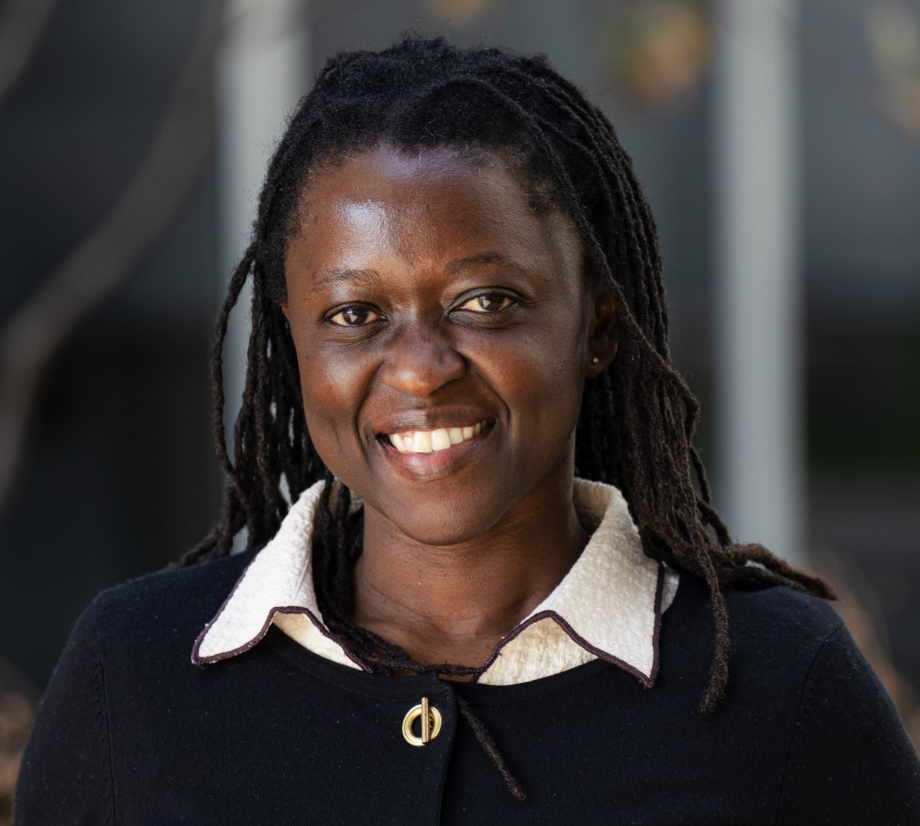
Massy Mutumba
Washington University
When Culture Disappears from the Model: Measurement and Unintended Harm in Global Health Intervention Research
Oct. 12, 2026
Global health research often treats culture as a characteristic to measure, control, or accommodate through intervention adaptation. Drawing on research with adolescents, young adults, families, schools, and community systems in Uganda, Dr. Massy Mutumba examines the limits of this approach. Her studies suggest that the social conditions most consequential for health are often pervasive, institutionally embedded, and poorly captured by models designed to explain differences between individuals. Among survivors of sexual violence, anticipated retaliation and the need for confidential care were nearly universal, even as qualitative accounts revealed how perpetrators' influence could extend into health facilities. In a pilot study with young people living with HIV, hopelessness rose among those given behavioral skills alone, and fell only where economic constraints were also addressed. The talk considers how intervention research can better measure pervasive social conditions, anticipate unintended harm, and design strategies that expand not only awareness but the capacity to act.
Massy Mutumba is an Assistant Professor at the Bursky School of Public Health at Washington University in St. Louis. She earned her BSN from Mbarara University of Science and Technology in Uganda and her MPH and PhD from the University of Michigan School of Public Health. Her research examines how social environments (families, schools, health systems, and community governance) shape health behaviors and outcomes among adolescents and young adults in sub-Saharan Africa. She leads NIH-funded and collaborative studies focused on HIV self-management and mental health, alcohol and substance use among young people living with HIV, adolescent suicide prevention, and access to health services among survivors of sexual violence in Uganda. Her work integrates mixed methods, implementation science, preference-elicitation approaches, and community-engaged research to understand how social context shapes what interventions can achieve.
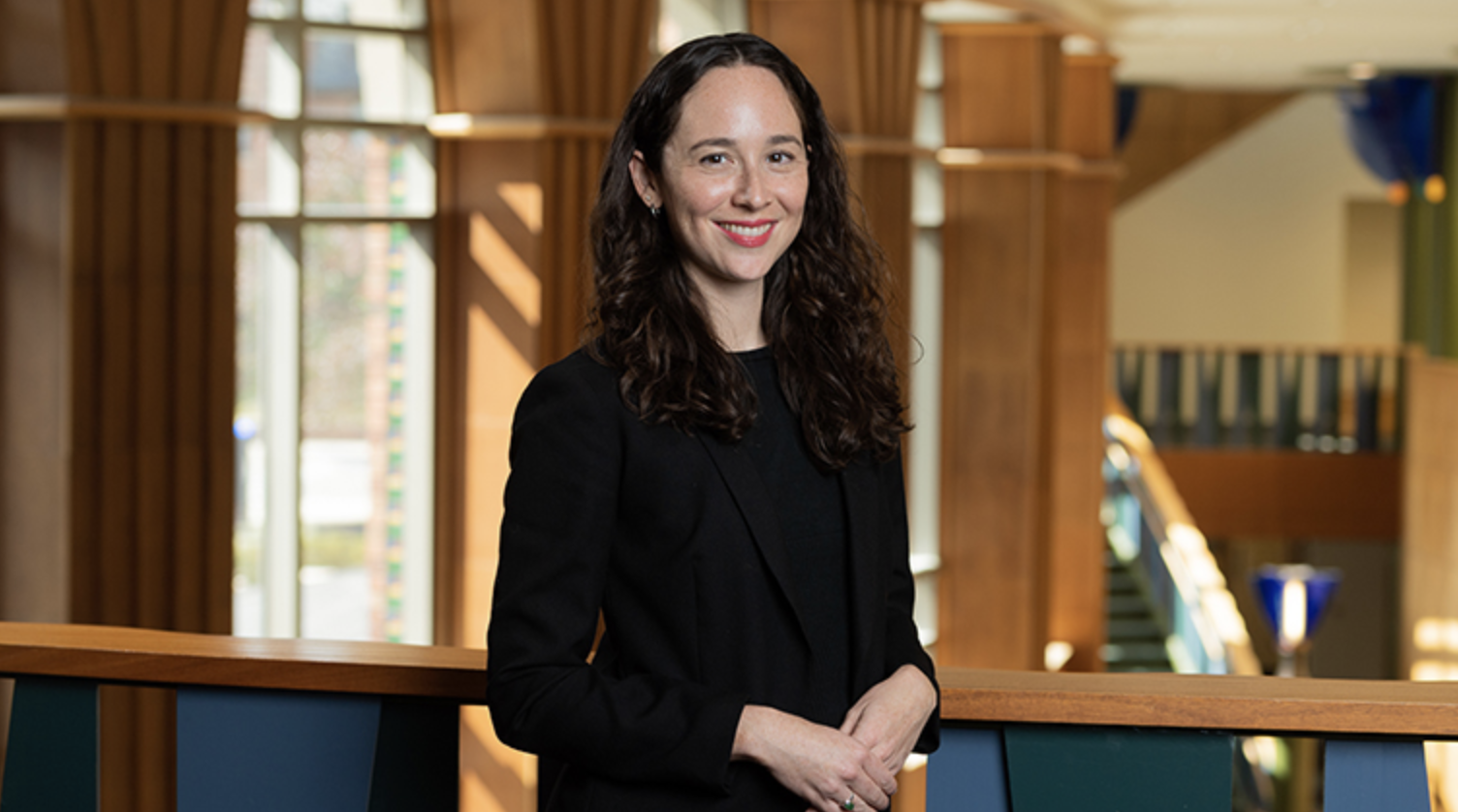
Lindsay Kobayashi
University of Michigan
How Culture Shapes the Measurement of Cognitive Aging: Lessons from the HCAP International Network
Oct. 26, 2026
Cross-national research on cognitive aging rests on the assumption that cognitive function and its social determinants hold the same meaning across diverse cultural contexts. However, human cognitive function does not always lend itself well to direct comparison across populations, as neuropsychological assessments often capture elements of culture, language, and literacy alongside true cognitive performance. This talk will examine theoretical and methodological approaches used to support cross-national comparisons of cognitive aging developed through the Harmonized Cognitive Assessment Protocol (HCAP) International Network. Over the past seven years, this network has expanded to include studies and teams in over 30 countries around the world, with innovations including the measurement of cognitive function across diverse cultural settings, statistical approaches to equate the measurement scales of adapted cognitive test items, and best practices for the comparative modeling of risk factor associations across populations. This talk will conclude with implications for future comparative research on healthy aging using harmonized data from around the world.
Dr. Kobayashi's research focuses on the social epidemiology of cognitive aging from a global perspective. She investigates social and economic life course influences on cognitive aging, primarily using data from internationally harmonized longitudinal studies of aging, including older populations of the United States, England, India, China, Mexico, and South Africa. At the University of Michigan, she is a member of the Center for Social Epidemiology and Population Health (CSEPH), the Rogel Cancer Center, and the Institute for Healthcare Policy and Innovation. In recognition of her contributions to the social epidemiology of cognitive aging in rural South Africa, she is an Honorary Senior Researcher at the MRC/Wits Rural Health and Health Transitions Research Unit (Agincourt) at the University of the Witwatersrand, South Africa.
Emily M. Briceño
U-M Medical School; ISR Survey Research Center
Measurement of cognitive aging and dementia within its cultural context
Nov. 2, 2026
The number of individuals living with Alzheimer’s disease and Alzheimer’s disease related dementias (AD/ADRD) is expected to grow exponentially over the coming years, with the bulk of this growth coming from low- and middle-income countries (LMIC). However, approaches for the measurement of cognition have generally been developed for subpopulations in high-income countries, representing a narrow range of cultural, linguistic, social, and educational exposures that impact the measurement of cognitive function. This presentation will highlight culturally-informed methods for the measurement and validation of cognitive function for the detection of AD/ADRD across LMIC and HIC contexts, drawing upon cross-national studies from the Harmonized Cognitive Assessment Protocol (HCAP) Network.
Dr. Briceño’s research focuses on neuropsychological assessment for the detection of Alzheimer’s Disease and Related Dementias (ADRD) across culturally and linguistically varied populations. She studies cognitive aging and the measurement of cognitive and functional impairment in international population-based aging studies, including studies in the HCAP Network. She is the neuropsychologist for the Cognitive Health Services Research Program and is a member of the Institute for Healthcare Policy and Innovation (IHPI), Global REACH, and the Center for Global Health Equity. Dr. Briceño is also an affiliate of the Michigan Center on the Demography of Aging (MiCDA).
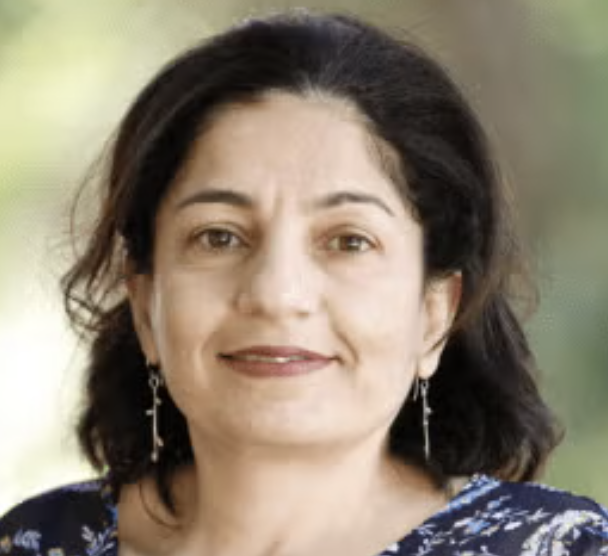
Sawsan Abdulrahim
American University of Beirut
Beyond trauma: Mental distress in refugee adolescent girls’ narratives about death
Nov. 9, 2026
Research on the mental health of children displaced due to war in the Arab region has predominantly focused on trauma and categorizing post-traumatic stress disorder (PTSD). Increasingly, however, traditional biomedical and psychological trauma models that categorize PTSD have come under criticism in that they do not capture the myriad ways in which individuals (including children) in various socio-cultural contexts experience and cope with war memories and the distress of displacement. Non-suicidal self-injury (NSSI), for example, is a psychological condition that associates with traumatic childhood experiences such as exposure to violence and neglect, but that has not been typically examined in studies on mental distress among refugee and war-impacted children. In this talk, I will first critically review the burgeoning literature on Syrian refugee children’s mental health with a focus on studies that examine PTSD. Following, I will reflect on the process and outcome of collecting data on mental health as part of a study on Syrian refugee adolescent girls’ health in Lebanon. During the study’s baseline survey, informal qualitative notes gathered from conversations with girls who reported having thoughts about death revealed the presence and normalization of distinct forms of mental distress, including intense fear of death, wishing to be dead, and skin cutting (NSSI). Finally, I will argue for moving away from the categorical approach to trauma and underscore the importance of considering narratives that incorporate relational and contextual determinants of mental distress among children in displacement.
Sawsan Abdulrahim’s work centers human rights principles to illuminate and act upon social inequities in health across the life course, with a focus on refugee populations and labor migrants in the Arab region and beyond. She is the lead author of the Arab Watch Report 2023 on the Right to Health, a live document intended to inform policy and advocacy efforts toward achieving health for all in the Arab region. Her substantive research areas include migration and health; the syndemic of early marriage and mental distress in forced displacement; and aging and the wellbeing of women migrant care workers. She obtained her doctoral degree from the School of Public Health at the University of Michigan, Ann Arbor, and is currently Professor in the Faculty of Health Sciences at the American University of Beirut where she teaches courses on health promotion theory, social epidemiology, and forced migration.
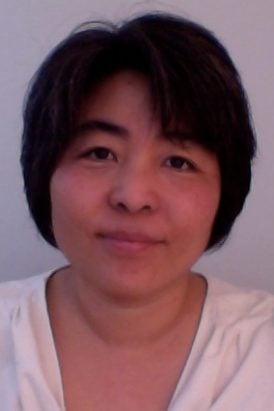
Susan Najita
University of Michigan
“Genealogics” of Place: Embodiment and Kaona in The Epic Tale of Hi‘iakaikapoliopele
Nov. 16, 2026
This paper explores the establishment of Hawai‘i Volcanoes National Park in the post-annexation period, two prominent newspaper serial publications of the saga of Pele, the goddess of the volcano, and her sister, Hi‘iaka, which reinvigorated connection to the place that would be brought under federal control. What can the tale--a repository for the sacred tradition of hula pele and its healing traditions-- tell us today, in this moment of eco-urgency, about relationships between bodies, mele (songs), and places?
Susan Najita is an associate professor of English and Asian/Pacific Islander American Studies in the Department of American Culture at the University of Michigan, Ann Arbor. Her first book, Decolonizing Cultures in the Pacific, explored the ways that indigenous Pacific writers engage the traumatic history of colonization and empire. Her current project is entitled Genealogies of Place: Colonialism, Embodiment, and the Making of Hawai‘i Volcanoes National Park.
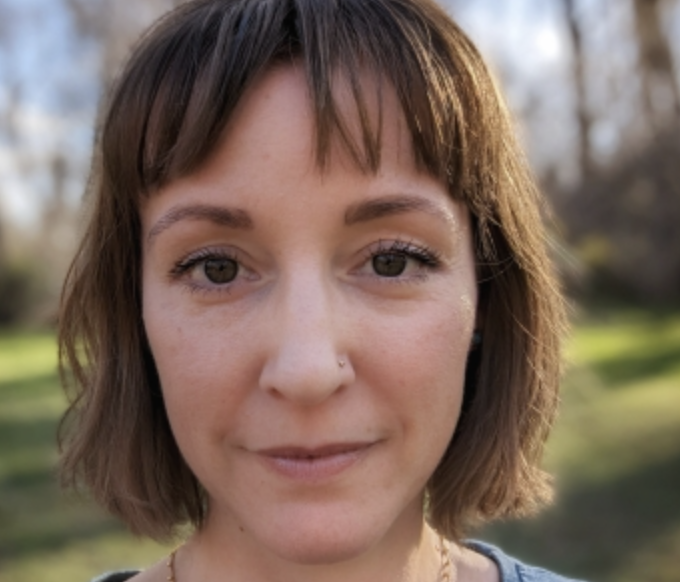
Alice Jean Wuermli
New York University
Risk and Resilience in Children Born and raised in Displacement: The case of the Rohingya Refugees in Bangladesh
Nov. 23, 2026
Children born into protracted displacement experience development within environments shaped by intersecting social, environmental, psychological, and biological risks. At the same time, individuals, families, and communities draw on cultural practices, relationships, and other resources that may support positive adaptation despite extraordinarily difficult circumstances. This talk draws on research with Rohingya refugee and host community families living in and around the camps in Cox’s Bazar, Bangladesh, to examine how risk and resilience can be studied in ways that are both culturally grounded and attentive to the multiple levels of children’s developmental bioecosystem.
The research draws on findings from a large pregnancy cohort following children from the prenatal period through early childhood. Qualitative and participatory research with Rohingya families provided insight into culturally specific beliefs, norms, practices, and experiences of pregnancy. These insights informed the adaptation and development of measures used in the longitudinal quantitative research. Findings illustrate developmental processes across multiple levels—from parenting and the home environment to exposure to climatic and other environmental conditions, parental mental health and trauma, and potential biological pathways through which these experiences may become embedded across generations.
Together, this work highlights both the methodological challenges and the scientific opportunities involved in studying early development in contexts of forced displacement. It argues for an approach that moves beyond documenting adversity to understanding how culture, caregiving, environmental conditions, and biology jointly shape developmental trajectories during the earliest years of life.
Alice is a Research Assistant Professor at Global TIES for Children, an international research center embedded in the Institute for Human Development and Social Change at New York University. She applies transdisciplinary, multi-methods, and participatory approaches to generate evidence on how to best support children and youth’s development in low- and middle-income countries and conflict affected contexts. Alice's current interests pertain to understanding the biological embedding and intergenerational transmission of pre-pregnancy/-natal trauma and adversity to offspring outcomes, the factors that protect from this embedded risk, the interpenetration of culture and neurobiology, and adolescent motherhood. As such, her work draws from a range of disciplines and methods to incorporate multiple levels of the human bioecosystem, from molecules to culture and context. Alice thrives in environments of constructive thought diversity where a multitude of ideas come together to create solutions to complex problems. Alice is the PI on an ambitious prenatal birth and early years cohort study in the Rohingya refugee context in Bangladesh (Intergenerational Risk and Resilience of Rohingya in Displacement; iRRRd [https://globaltiesforchildren.nyu.edu/irrrd]) that started under Play to Learn, one of two large-scale initiatives focused on early childhood development in refugee contexts.
Alice holds a BA in International Affairs and Governance from the University of St. Gallen in Switzerland, a MA in International Development / Development Economics from American University, and a PhD in Human Development / Developmental Neurobiology from UC Davis. Between her MA and PhD, Alice spent three years at the World Bank working on youth and livelihoods development and gender.

Beverly Strassmann
University of Michigan
Childhood growth, systolic blood pressure, and educational attainment in the Dogon of Mali
Nov. 30, 2026
Abstract TBA
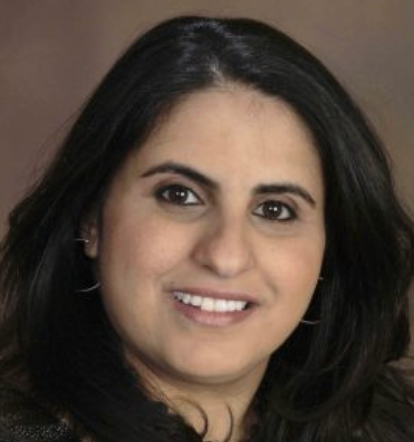
Germine H. Awad
University of Michigan
What does the new MENA (Middle Eastern North African) Reporting Category Mean for Research on Culture and Health?
Dec. 7, 2026
For years, advocates, researchers and scholars were calling on federal institutions to include a Middle Eastern and North African category on demographic forms so that this community can be counted. The absence of such a category has made research with these populations scant and sometimes impossible. In March 2024, the Office of Management and Budget (OMB) revised their race and ethnicity data collection standards (SPD 15) to include a streamlined race and ethnicity question that includes a separate MENA and Hispanic/Latino category. This presentation will discuss the implications of new race and ethnicity categories for research on culture and health.